

Most burglar alarm calls to police turn out to be false alarms, often caused by user error or environmental triggers rather than real emergencies. To reduce the strain this puts on local law enforcement, cities across the country, including several in Georgia, have adopted false alarm ordinances that fine property owners for repeat unverified alarms or, in some cases, refuse to respond to alarms at all unless there is video, audio, or in-person confirmation of a crime. Remote video monitoring services like VirtuGuard™ verify an alarm before police are ever contacted, helping property owners avoid fines and helping law enforcement respond faster when a threat is real.
Over the last decade, local governments have begun adopting ordinances to reduce the number of false alarms triggered by private security systems in homes and businesses. Unverified false alarms make up most alarms sent by security systems, often triggered by environmental factors or simple user error.
What Counts as an “Unverified” Alarm?
An alarm is considered unverified when it triggers a police dispatch without any confirmation that an actual crime is taking place. Here’s how that typically happens: if your security system is monitored through a traditional command center, like those used by Ring or SimpliSafe, the monitoring center will try to call your emergency contact first to confirm whether a real emergency is happening. If they can’t reach anyone, they default to automatically dispatching the local police department.
That default is the problem. When an alarm reaches police without being verified first, officers respond to a lot of properties where nothing is actually wrong. That consumes time, staffing, and resources that are needed for real incidents elsewhere, and it’s a public safety issue, not just an inconvenience.
Because of the sheer volume of false alarms and the strain they place on local law enforcement, governments across the country have started adopting false alarm reduction ordinances.
False Alarm Reduction Ordinances in Georgia
Georgia cities including Atlanta, Savannah, Sandy Springs, and others have adopted false alarm reduction ordinances. The common model requires homeowners and business owners to register their security systems through a false alarm management platform. Registration itself is free, but failing to register results in a fine. Once registered, local law enforcement can track and manage the alarms coming from a given property over time.
What Does a False Alarm Ordinance Look Like? A Johns Creek Example
Johns Creek is one of the communities that has adopted this model. The city requires security systems to be registered and issues a $100 fine for owners who don’t complete or update that registration. From there, fines scale with the number of unverified alarms a single property generates over a year:
| False Alarm Count | Fine |
| First and Second False Alarm | $0 |
| Third through Fifth False Alarm | $50 |
| Sixth False Alarm | $100 |
| Seventh False Alarm | $150 |
| Eighth False Alarm | $250 |
| Ninth False Alarm | $350 |
| Tenth and Over | $500 |
The policy is forgiving at first, with no charge for a first or second false alarm. But fines climb quickly after that, which is intentional. It’s designed to push repeat offenders toward actually fixing the underlying issue with their system. If a homeowner or business owner doesn’t pay their fines within 30 days, police response to that address is suspended entirely until the balance is paid.
These fines are meant to incentivize property owners to be more diligent about their security systems. Other cities have gone further and adopted stricter policies still.
Verified Alarm Ordinances: A Stricter Approach
Sandy Springs, a suburb of Atlanta, adopted its false alarm reduction ordinance in 2019 after 911 operators found themselves fielding thousands of alarm calls a year, with 99% of them turning out to be false.
Rather than relying on a fine schedule, Sandy Springs took a different approach: its ordinance states that police will not respond to a burglar alarm at a home or business without video, audio, or in-person verification that a crime is actually happening. Burglar alarms without that verification are treated as low priority, which reduces the manhours and equipment local police spend chasing false alerts.
These ordinances can feel strict, but they exist for a straightforward reason: to protect taxpayer’s resources and keep alarm companies from placing an outsized burden on local law enforcement when alarms go unverified.
How Video Verification Solves the Problem
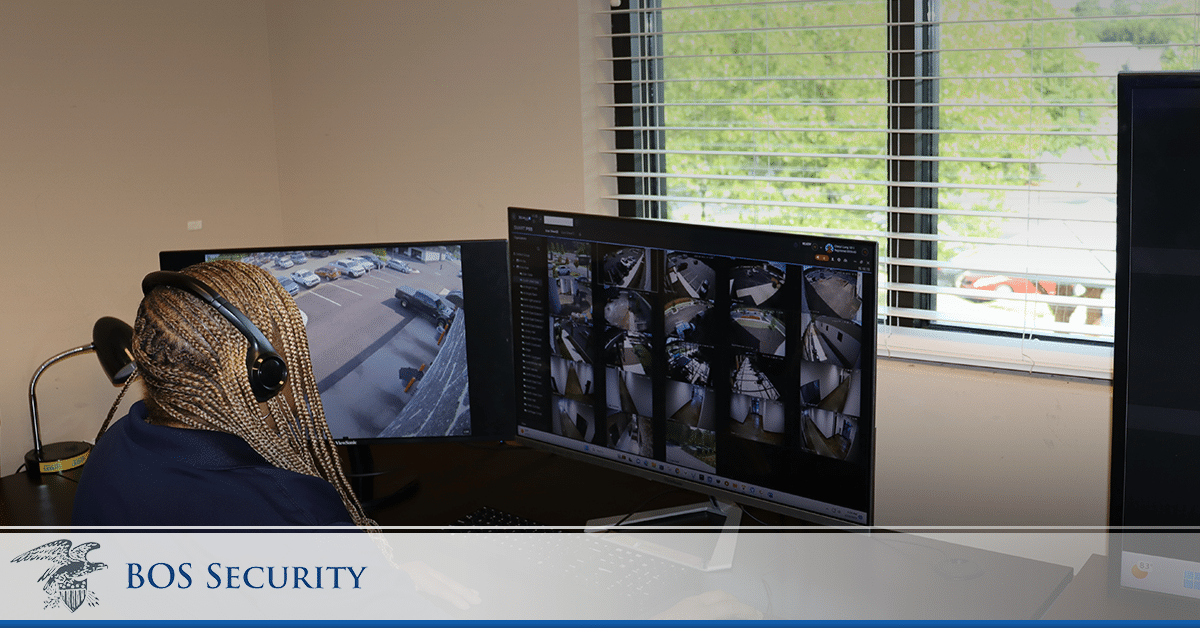
VirtuGuard™ remote video monitoring monitors your burglar alarm and security systems and verifies any triggered alarm over an internet connection before it ever reaches police. Command Center Agents watch and control the surveillance cameras, security systems, and other security infrastructure on your property, and respond to security events as they happen.
VirtuGuard™ is built to work alongside your city’s false alarm reduction program rather than around it. When a burglar alarm is triggered, or when AI applied to your security cameras flags activity while your business is closed, the alert goes into the Command Center first. A VirtuGuard™ Agent reviews the recorded footage and live video feed to confirm whether there’s an actual threat.
If an Agent identifies a break-in or suspicious behavior, they can speak directly to the person or people involved through on-site audio speakers, and can dispatch onsite security officers or local law enforcement if the situation continues.
Audio Intervention
When VirtuGuard™ Agents are granted access to a property’s two-way audio system, they can step into a situation the moment it’s detected. If someone is loitering in your parking lot after hours, for example, an Agent can issue a live audio announcement letting them know the business is closed and inviting them to return during normal hours.
If an Agent observes an actual break-in in progress, they can issue a direct warning, telling the individuals to leave the property and that police have been notified.
Audio intervention is one of the most effective deterrents available. It often stops criminal activity before it escalates, without waiting on a police response at all.
Catching Threats Before They Escalate
Security cameras with built-in AI are useful for flagging activity, but VirtuGuard™ adds a layer that technology alone can’t: proactive human review. Virtual guard tours work like a physical foot patrol, except they’re conducted through the cameras already installed on your property. Agents watch for abnormal behavior between alerts, not just in response to them, which means fewer things slip through the cracks. Remote monitoring, done this way, doesn’t lean on automated detection alone. It pairs that technology with human judgment.
Working With Local Law Enforcement
When an alarm triggers, whether through your security system or AI-based detection on your cameras, it reaches the VirtuGuard™ Command Center first. If Agents confirm a real threat, they escalate it to local law enforcement with video verification already in hand, which allows officers to respond with a clearer picture of what they’re walking into.
Command Center Agents can relay details about the event and the people involved as it’s happening, including a suspect’s location on the property and a description of their appearance and clothing. Giving responding officers that context ahead of time helps them approach the situation more safely and effectively.
VirtuGuard™ can also support an investigation after the fact. If a burglary, act of vandalism, or other crime occurs and the people involved leave before police arrive, VirtuGuard™ can pull together video, photo evidence, and a detailed report of what happened, timeline included. That evidence can help investigators track suspect movement and support identification.
Eliminate False Alarms with VirtuGuard™ Security Video Monitoring
VirtuGuard™ remote video monitoring protects your business without adding hassle to your day. Every alarm is visually verified before any further action is taken, rather than relying solely on AI, entry sensors, or motion detectors to decide what’s actually happening on your property.
Visual verification matters for two reasons: it protects you from the fines and penalties tied to your city’s false alarm ordinance, and it gives law enforcement the context they need to respond appropriately when something is genuinely wrong.
To learn more about what VirtuGuard™ can do for your company, visit virtuguard.com.
Frequently Asked Questions
What is a false alarm ordinance?
A false alarm ordinance is a local government policy that requires property owners to register their security systems and may impose fines, or in some cities, a reduced police response priority, for alarms that trigger without being verified as a real emergency.
What happens if I don’t register my security system?
In cities that require registration, such as Johns Creek, failing to register your system results in a fine, separate from any fines tied to repeat false alarms.
Does video verification guarantee a faster police response?
Video verification gives responding officers more context about what they’re walking into, which generally helps them prioritize and prepare. Actual response times depend on each department’s own policies and current call volume.
Is alarm registration the same in every city?
No. Ordinances vary by city. Some, like Johns Creek, use a fine schedule tied to registration and repeat false alarms. Others, like Sandy Springs, deprioritize unverified alarms entirely rather than issuing fines. Check your local city’s ordinance for the specific rules that apply to your property.
Interested in speaking with one of our security professionals? Complete the contact form to have a VirtuGuard™ representative reach out about your security service needs.