

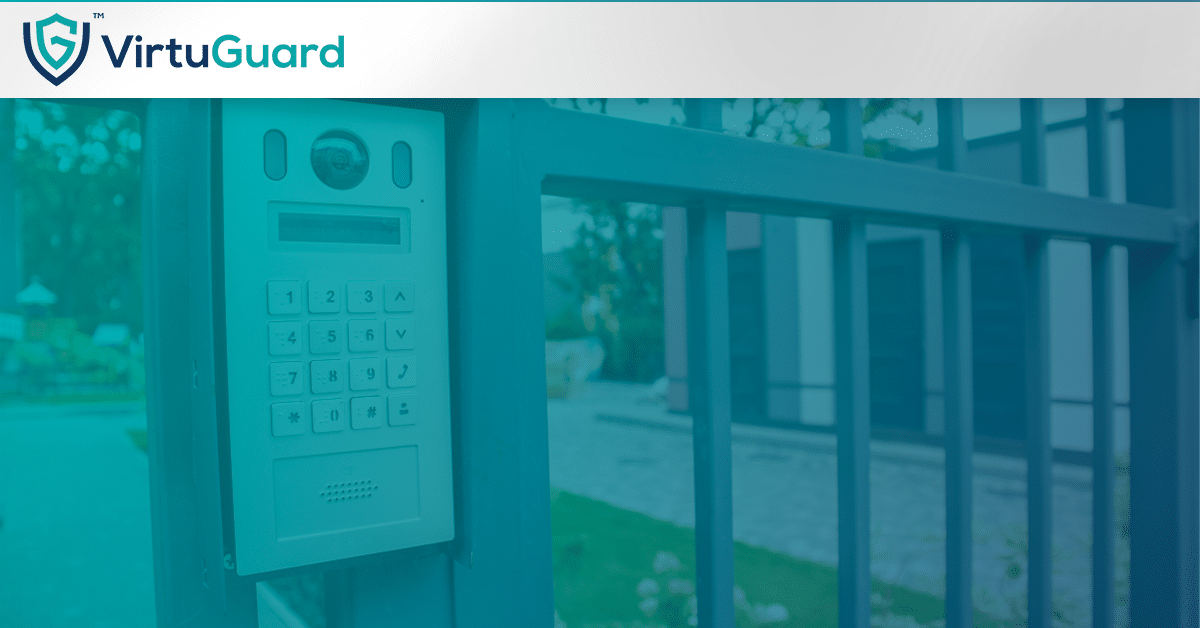
When it comes to securing your property, access control measures may be one of the first steps on your list. Whether it’s exterior gates, fences and other perimeter protection, or building entry points that require a key card, code, or fingerprint, intruders committed to entering your property have other methods: piggybacking and tailgating.
Additional measures like remote video monitoring and remote access control management can work 24/7 to keep commercial and residential properties secure while keeping them easily accessible for approved parties. Continue reading to learn more about piggybacking and tailgating, and how remote video monitoring can prevent trespassing among other security concerns.
What is Tailgating?
In the physical security industry, tailgating can be defined as an authorized person gaining access to a restricted area by following closely behind someone with legitimate access credentials.
In commercial environments, someone may pose as a vendor, delivery driver, contract employee, or another role that would blend in. In residential environments, trespassers try to blend in as delivery drivers, maintenance personnel, other residents, or guests of other residents.
When an authorized person legitimately enters the property, using a key card, fob, code, etc., the intruder hopes that they can enter without raising suspicion. They may catch a door or gate before it closes behind the authorized individual and gain access without being stopped.
Even if an authorized individual, like an employee or resident without their key card, attempts to tailgate their way into a property without their proper credentials, it can still compromise the overall security of the property. Tailgating is a more passive approach to entering a property without permission, as the intruder takes advantage of a lack of awareness.
What is Piggybacking?
Piggybacking is often interchangeable with tailgating, however, piggybacking in the security industry can be defined as an unauthorized person tagging along with an authorized person to enter a restricted area or controlled environment. Piggybacking can be intentional or accidental but involves some sense of permission from the authorized individual.
This method of trespassing relies on an employee or resident knowingly opening or holding open a door for someone without proper authorization. Whether the authorized person allows an unauthorized person to enter a property out of courtesy or kindness or under false pretenses from the intruder, piggybacking can pose a serious threat to a property’s overall safety and security.
How Can Remote Guarding Prevent Trespassing?
Remote video monitoring is a commercial and residential security solution that utilizes strategically placed surveillance cameras, access control technology, and other security infrastructure to secure a property. From remote Command Centers, Virtual Guards proactively monitor video livestreams of client properties and respond to alarms triggered by Artificial Intelligence alerts to any suspicious or abnormal activity within the premises.
While remote video monitoring can operate without security personnel being present at a property, that does not mean that Virtual Guards can’t intervene in security breaches and other incidents. When suspicious activity is detected, Virtual Guards can issue Voice Warnings through two-way audio speakers to engage directly with people loitering or attempting to enter the property. In most cases, a single Voice Warning is enough to prompt unapproved visitors or bad actors to leave the property.
In cases where Voice Warnings are ignored, Virtual Guards can work with onsite staff or contact local law enforcement to resolve disturbances quickly, and before they can escalate into actual crimes.
Remote Access Control Management
Remote video monitoring can also support a client’s access control management without requiring security personnel to be physically present. While key cards, fobs, codes, and other methods allow authorized individuals to enter a property or restricted area without outside intervention, remote video monitoring serves as an additional layer of verification.
For commercial businesses, when a visitor arrives without prior authentication, Virtual Guards can remotely verify a visitor’s identity and decide whether or not to grant access. Through surveillance cameras, two-way audio/video intercoms, and even ID drop slot cameras, Virtual Guards can vet a visitor and create documentation. If it is determined that a visitor is expected or permitted to be on the property, they will be granted access. If the visitor is not allowed to enter, Virtual Guards will inform them that they can’t enter the property and will monitor the premises to ensure that they don’t attempt to enter through tailgating, piggybacking, or trespassing methods.
If someone is not granted access and remains on the premises or begins to ask an authorized person to let them in, Virtual Guards can utilize two-way audio communication or alert local law enforcement when appropriate.
See our Remote Doorman Case Study
Protect Your Property from Piggybacking and Tailgating
Don’t let piggybacking or tailgating compromise the security of your commercial or residential property. Trespassing is not always as nefarious as picking locks or climbing over fences. Intruders are counting on a lack of awareness to make it through access points unnoticed.
Remote video monitoring can prevent trespassing and other disturbances. However, it is important to build a culture of awareness within commercial businesses and residential communities to prevent more discreet methods of trespassing. Reminding staff or residents that they are not to hold the door open for anyone, even if they look like they are supposed to be there, is crucial in sustaining secure premises.
If you’re interested in learning more about how remote video monitoring can prevent trespassing and other disturbances, complete the contact form below.